Garbage Disposal Installation Austin (512) 555-0148
Austin disposal guide

Garbage Disposal Leaking from the Bottom? Fixes

By Garbage Disposal Installation Austin · Updated October 2026 · Austin, TX
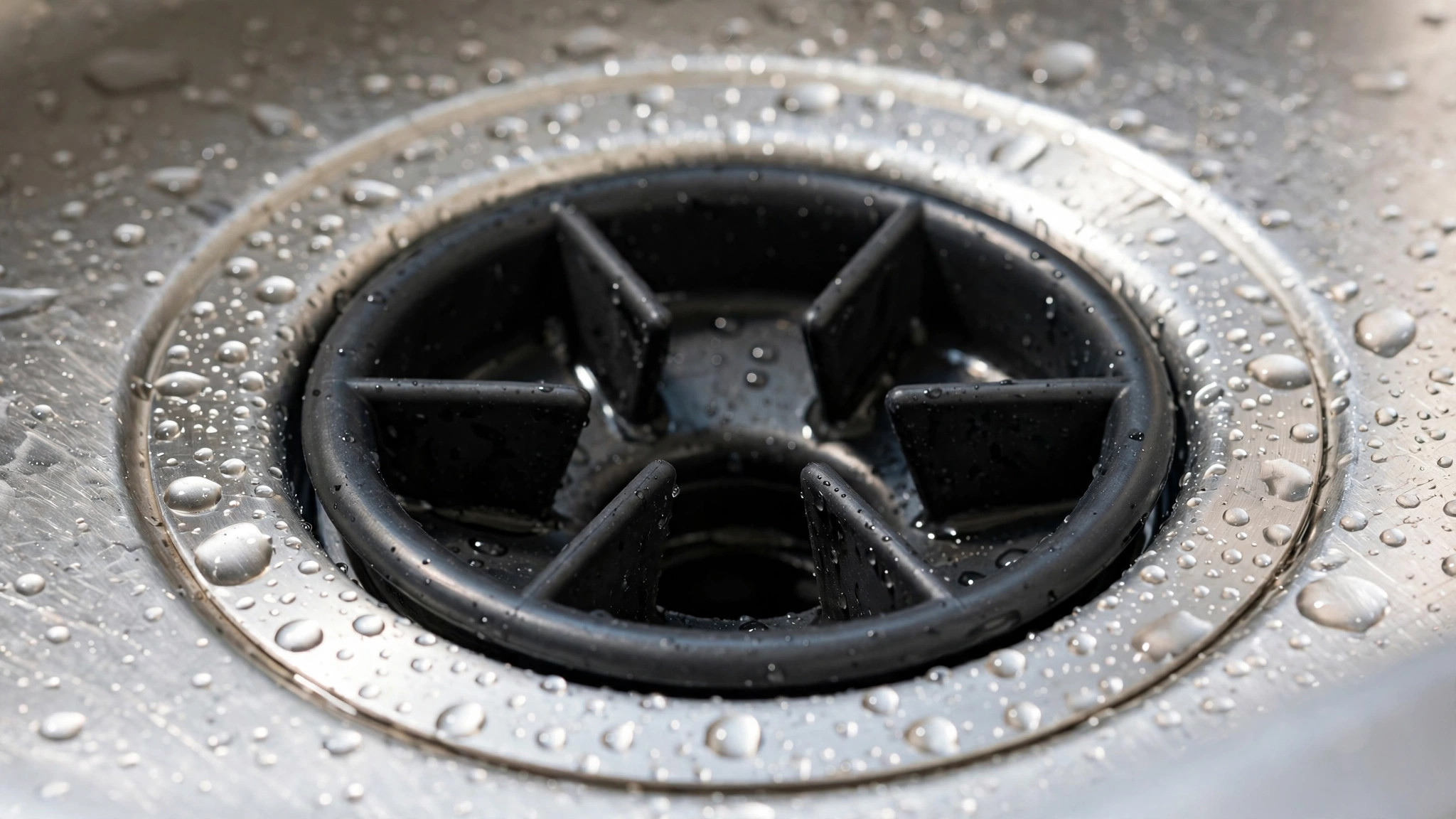
Garbage Disposal Leaking from the Bottom? Fixes

Finding water pooled under the kitchen sink is never a welcome surprise, and when the garbage disposal is the source, most homeowners assume the worst. Here is the honest breakdown: many disposal leaks are cheap, fixable problems at a gasket or connection, but one specific type of leak means the unit itself is finished. The trick is figuring out exactly where the water starts, because the fix for a flange leak and the fix for a bottom leak are completely different. This guide walks you through locating the source like a plumber would, which leaks you can repair, and the one leak that means it is time for a replacement. Do not ignore it in the meantime: standing water under a sink ruins cabinets and invites mold fast in Austin humidity.

Find Exactly Where the Leak Starts

Diagnosis comes before wrenches. Clear everything out from under the sink, dry the disposal, the pipes, and the cabinet floor completely with towels, then lay down dry paper towels or newspaper underneath. Run water into the sink with the disposal off and watch. Then run the disposal with water flowing. The leak will reveal itself at one of three places. Water dripping from where the disposal meets the sink drain is a sink flange leak. Water at the side pipe connections is a discharge or dishwasher gasket leak. Water beading or streaming from the very bottom of the unit, often near the reset button, is an internal seal failure. Mark the spot mentally, because each location has a different fix and a different cost. Rushing to tighten random bolts before you know the source is how simple leaks turn into cracked housings, so take the five minutes to watch first.

Leak at the Top: The Sink Flange

The most common fixable leak starts at the sink flange, the metal ring where the disposal mounts to the sink drain. Over years of vibration and temperature swings, the plumber's putty seal under that flange dries out and shrinks, letting water seep past. The repair is a reseal: disconnect the disposal from the mount, unscrew the flange assembly, scrape off every trace of old putty, roll a fresh rope of plumber's putty, seat the flange, and retighten evenly. It is a straightforward job that takes under an hour once you have done it a few times, and the putty itself costs a few dollars. Check the flange for rust or pitting while it is out. A corroded flange will not seal no matter how much putty you use, and in that case replacing the flange assembly, not just the putty, is the real fix. A fresh reseal on a sound flange should stay dry for years.

Leak at the Side: Discharge Pipes and Gaskets

Side leaks show up at the discharge tube, where the disposal connects to the drain pipe, or at the dishwasher inlet nipple. These are gasket and clamp problems, and they are the easiest leaks to fix. Turn off the power, place a bucket underneath, and inspect the connection. A flattened, cracked, or missing rubber gasket is the usual culprit, and replacement gaskets are inexpensive and widely available. While you are there, check that the mounting bolts and hose clamps are snug but not overtightened, since cracked plastic discharge tubes come from overzealous tightening more often than from age. If the dishwasher inlet is leaking, confirm the hose clamp is secure and the hose itself is not split. After replacing the gasket, run water through the disposal for a full minute and check the joint with a dry hand. A proper gasket seat is bone dry, and this repair routinely holds for the remaining life of the unit.

Leak at the Bottom: The One You Cannot Fix

Water coming from the bottom of the disposal, often weeping out around the reset button or the lower housing seam, is the bad one. That water is getting past the internal seals that protect the motor shaft, and those seals are not serviceable parts. No gasket, putty, or tightening will stop it, because the failure is inside the sealed motor housing. Worse, water and an electric motor are a dangerous combination: a bottom leak can short the motor, trip breakers, or corrode the internals until the unit seizes. If you see this, turn the disposal off at the switch and stop using it. Drying it off and hoping it seals itself does not work, and the leak only gets worse. This is the one leak where every honest plumber gives the same advice: replace the unit. The silver lining is that a bottom leak usually shows up on an older disposal that was nearing replacement age anyway.

What a Replacement Involves

Replacing a leaking disposal is one of the cleaner plumbing jobs. The old unit comes off the mounting assembly, the new one twists on, and the electrician's side is usually just reconnecting the existing wiring or plug. A pro will also take the opportunity to inspect the sink flange and discharge gaskets while everything is apart, since resealing a tired flange during a swap costs almost nothing extra and prevents the next leak. The old unit gets hauled away, which matters because disposals are heavy and awkward to dispose of yourself. Most swaps take one to two hours, and you get a fresh warranty on the new unit. While the unit is off the mount, it is also the perfect time to check the condition of the discharge pipe and the dishwasher hose connection, since both are easy to service with everything apart and both cause callbacks when ignored. If your leak is coming from the bottom of the unit, our garbage disposal replacement service in Austin can swap it out the same day and haul the old one away, so your cabinet stays dry.
Common questions

Questions About This Topic

Can a plumber fix a disposal leaking from the bottom?
No. A bottom leak means the internal motor shaft seals have failed, and those are sealed inside the housing with no serviceable parts. No gasket or sealant reaches them. Replacement is the only fix, and you should stop using the unit in the meantime because water inside an electric motor is a genuine electrical hazard.
Why is water dripping from the reset button area?
The reset button sits on the bottom housing, so water weeping there is really water escaping past the failed internal seals and finding the lowest exit point. It looks like a button problem but it is a seal problem. This is the classic sign of a disposal that needs replacement, not repair.
Is a leaking garbage disposal dangerous?
It can be. Water plus an electric motor risks short circuits and tripped breakers, and standing water under the sink damages cabinets and grows mold quickly, especially in Austin humidity. Turn the disposal off at the switch, dry the area, and get the source diagnosed promptly rather than living with the drip.
How long does a garbage disposal replacement take?
A straightforward swap usually takes one to two hours, including disconnecting the old unit, mounting the new one, reconnecting the wiring and discharge plumbing, testing for leaks, and hauling the old unit away. If the sink flange also needs resealing, add a little time, but it is still a same-day job.

Need help in Austin? See our Garbage Disposal Replacement page for flat-rate pricing, or pick your ZIP:

South Congress 78704Arboretum 78759South Austin 78745

Still stuck? We will sort it today.

Call now for same-day garbage disposal service anywhere in the Austin area.

Call (512) 555-0148
Free quote

Get Your Flat-Rate Quote in Minutes

Send the form or just call. Either way you get a real price before we roll a truck.

No spam, no robocalls. A real plumber calls you back.