Garbage Disposal Installation Austin (512) 555-0148
Austin disposal guide

Garbage Disposal Making Loud Grinding Noises? Fixes

By Garbage Disposal Installation Austin · Updated October 2026 · Austin, TX
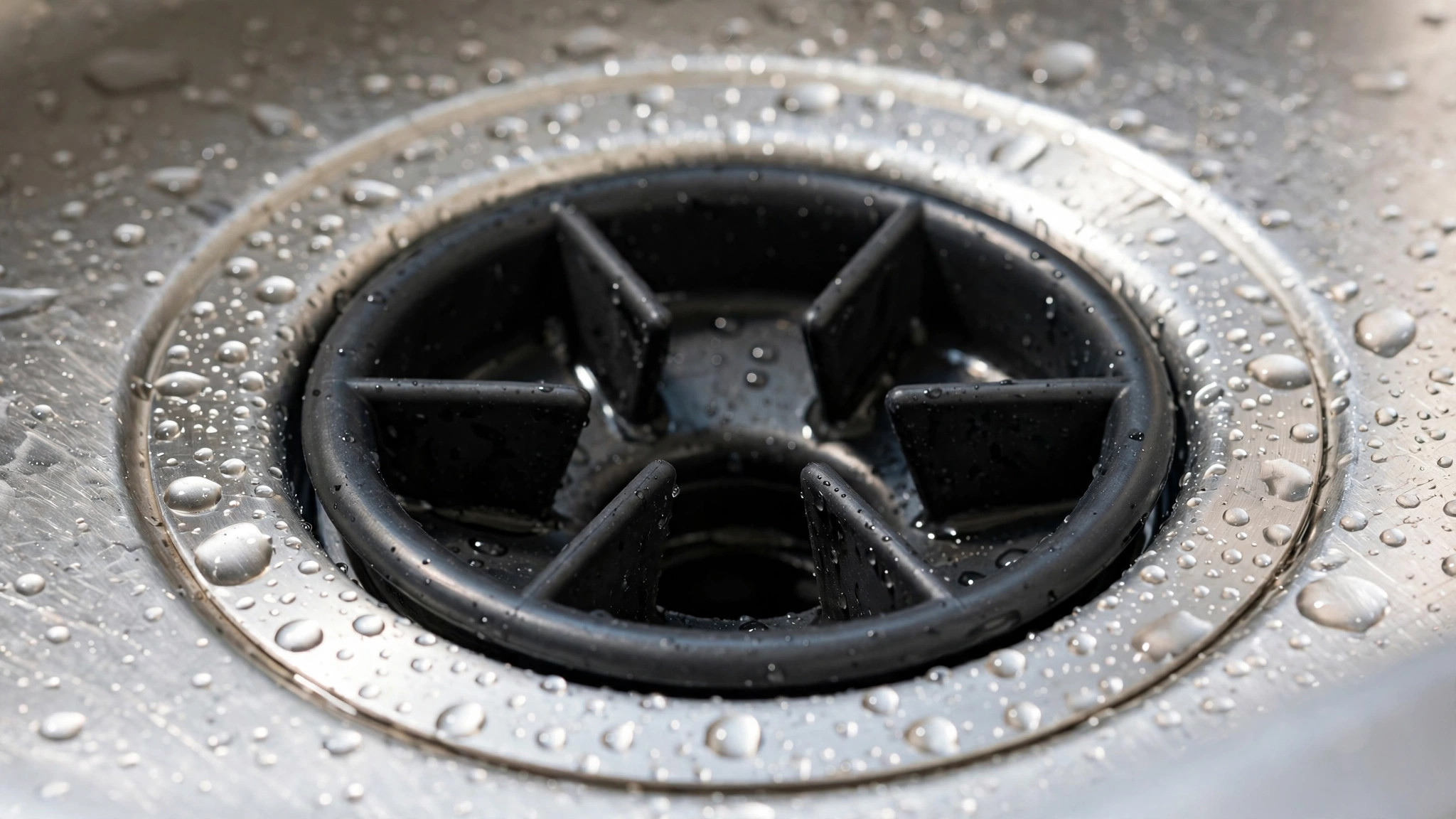
Garbage Disposal Making Loud Grinding Noises? Fixes

Garbage disposals are never silent, but there is a clear line between normal grinding and a noise that means something is wrong. A healthy unit makes a steady, low grinding sound that rises a bit with hard foods and settles back down. Anything else, rattling, clanking, squealing, or shaking the whole sink, deserves investigation before it gets worse. The good news is that most bad noises have simple causes, and the most common one is a five-minute fix. This guide covers what your disposal should sound like, how to track down the source of each bad noise safely, and the point where noise means the unit is worn out. A few minutes of diagnosis now can save you from replacing a unit that only needed a spoon removed.

What a Healthy Disposal Sounds Like

Calibrate your ears first, because chasing normal noise wastes time. A healthy disposal produces a steady, low-pitched grinding hum while it works, louder when chewing hard scraps like small bones or fibrous vegetables, quieter with soft food. The sound should be consistent, with no rattling, no high-pitched squeal, and no vibration you can feel through the countertop. Premium units with sound insulation and multi-stage grinding run noticeably quieter than basic builder-grade models, so compare against what your unit sounded like when it was new, not against a neighbor's premium unit. A sudden change is the real signal. If your disposal was quiet last month and sounds like a rock tumbler today, something changed inside, and the sections below will help you find it. Gradual loudness over years, on the other hand, is usually just wear. Pay attention to when the noise happens, too: a unit that is quiet while grinding soft food but roars on anything firmer is showing classic impeller wear, while a unit that rattles even when empty almost certainly has something loose or trapped inside.

Rattling or Clanking: Check for Foreign Objects

A sudden metallic rattle or clank almost always means something that is not food fell in: a spoon, a bottle cap, a twist tie, a small toy, or a piece of a broken glass that slipped past. Turn the disposal OFF at the switch, then cut power further by unplugging it or flipping the breaker, because you are about to reach toward the drain with a tool. Shine a flashlight straight down the drain and look for the glint of metal or the shape of the object. Fish it out with long tongs or needle-nose pliers, rotating the flywheel slightly with an Allen wrench from below if needed to free a wedged item. Never use your fingers, even with the power cut. Once the object is out, press the reset button, run cold water, and test. If the rattle is gone, you just saved yourself a service call, and you have learned to check the sink before flipping the switch.

Squealing or Worn-Out Grinding

A high-pitched squeal or a grinding sound that seems to come from deep inside, rather than from food being chewed, usually points to worn internal parts. The impellers, the small swiveling lugs on the flywheel that fling food against the grind ring, wear down over years of use. When they get short and rounded, food circulates instead of grinding, the unit runs longer and louder, and you hear metal-on-metal tones. Similarly, the grind ring itself wears smooth with age. There is no adjustment for this wear; it is the disposal equivalent of bald tires. A plumber cannot rebuild these parts economically, because the components are not sold separately and the labor would exceed the value. If your unit is past eight to ten years and the noise is this deep mechanical wear rather than a foreign object, you are hearing the sound of a disposal asking to be replaced. If you are unsure whether the noise is wear or a trapped object, the flashlight check from the previous section costs nothing and rules out the easy answer first.

Shaking and Vibration

A disposal that shakes the sink or rattles the cabinet is usually a mounting problem, not a grinding problem. The unit hangs from a mounting assembly at the sink flange, and over years of vibration the mounting ring bolts can loosen, letting the whole heavy unit wobble. Turn off the power, then check the mounting ring from under the sink: the bolts or the twist-lock ring should be snug and the unit should hang straight without play. Snug them evenly, a little at a time around the ring, rather than cranking one side. Also check that the discharge pipe is not pulling the unit sideways, since a misaligned drain connection transmits vibration into the pipes. If the mounting is tight and it still shakes violently, the flywheel itself may be damaged or unbalanced, which is internal and not repairable. Either way, a shaking disposal deserves attention, because vibration loosens plumbing connections over time.

When Noise Means It Is Time to Replace

Here is the honest cutoff. If you cleared every foreign object, tightened the mounting, and the unit still grinds loudly, shakes, or squeals, the noise is internal wear and it will not get better. Add in the other end-of-life signs, frequent reset trips, slow grinding, persistent odor, or any bottom leak, and replacement is clearly the smarter money than another repair visit. The upside is real: modern 3/4 HP units with sound insulation run dramatically quieter than a worn-out builder-grade disposal, so most homeowners are surprised at the difference on day one. A replacement also resets the clock on every wear part at once. A replacement is also the right moment to fix related annoyances, like adding an air switch or upgrading the under-sink outlet, since the area is already open and the incremental cost is small. If your disposal has become the loudest appliance in the kitchen, our garbage disposal repair service in Austin can confirm whether it is worth saving, and give you a straight answer when it is not.
Common questions

Questions About This Topic

Should a garbage disposal be loud?
Moderately loud is normal: a steady grinding hum that rises with hard foods. What is not normal is a sudden change, rattling, squealing, or vibration through the counter. Compare against how your unit sounded when new. A brand-new loudness usually means a foreign object or a loose mount, while gradual loudness over years means wear.
There is a metal rattling sound. What is it?
Almost certainly a foreign object like a spoon, bottle cap, or twist tie bouncing around the grind chamber. Cut the power at the switch and breaker, shine a flashlight down the drain, and fish it out with tongs. Check the chamber carefully, because even a small object left behind will keep rattling and can jam the flywheel.
Why is my disposal vibrating so much?
Usually a loose mounting assembly: the ring bolts at the sink flange work loose over years of vibration. With power off, snug the mounting ring evenly from under the sink and check that the discharge pipe is not pulling sideways. If the mount is tight and it still shakes, the flywheel may be damaged internally.
Will running ice cubes make my disposal quieter?
Ice cubes scour away light buildup in the grind chamber, which can reduce minor noise from packed food film, but they cannot fix mechanical noise from worn impellers, a foreign object, or a loose mount. Think of ice as maintenance, not repair. If the noise persists after a cleaning, investigate the mechanical causes.

Need help in Austin? See our Garbage Disposal Repair page for flat-rate pricing, or pick your ZIP:

Windsor Park 78723South Austin 78745Arboretum 78759

Still stuck? We will sort it today.

Call now for same-day garbage disposal service anywhere in the Austin area.

Call (512) 555-0148
Free quote

Get Your Flat-Rate Quote in Minutes

Send the form or just call. Either way you get a real price before we roll a truck.

No spam, no robocalls. A real plumber calls you back.