Garbage Disposal Installation Austin (512) 555-0148
Austin disposal guide

Garbage Disposal Not Working? Troubleshooting Guide

By Garbage Disposal Installation Austin · Updated October 2026 · Austin, TX
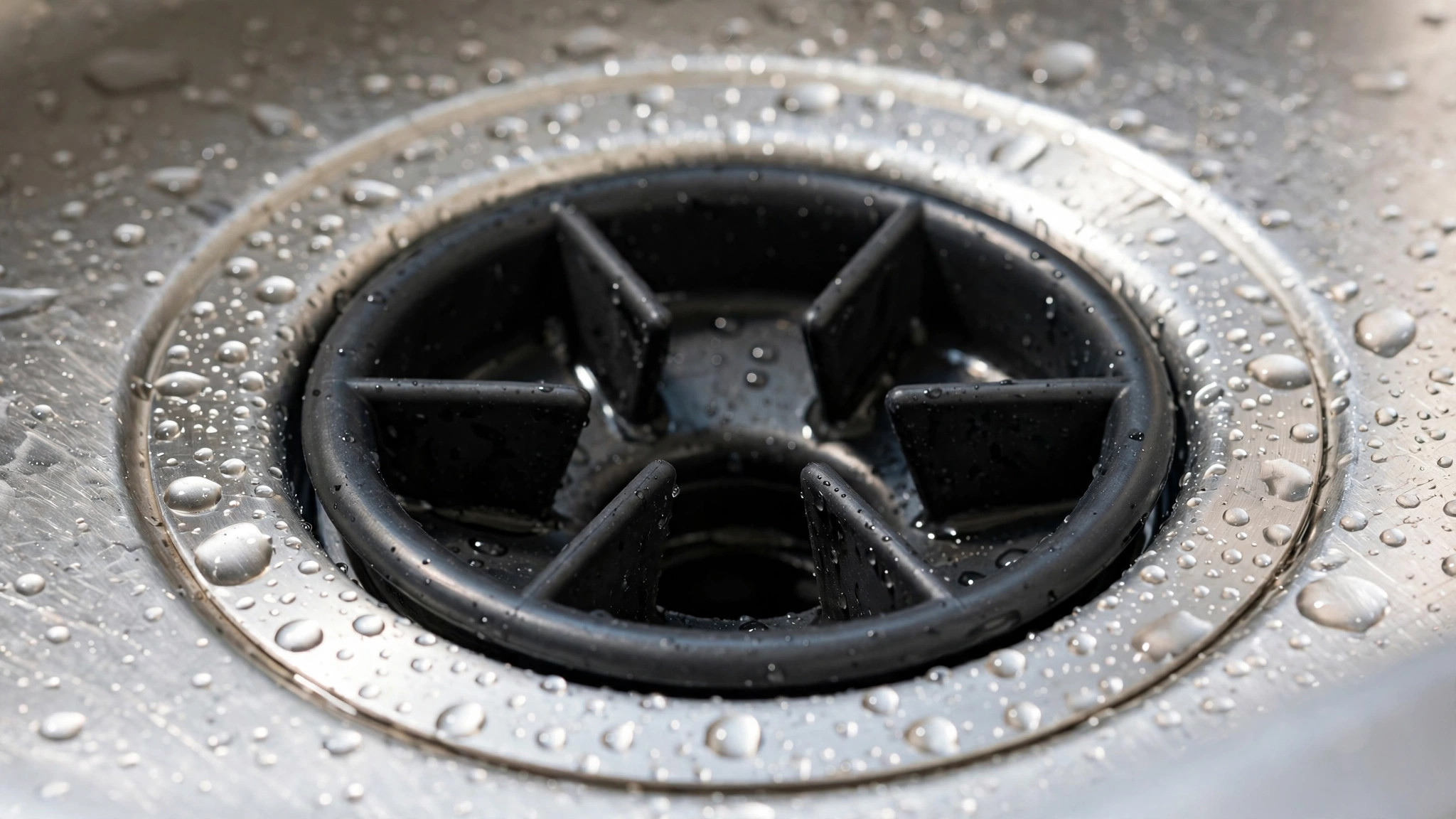
Garbage Disposal Not Working? Troubleshooting Guide

A dead garbage disposal stops the whole kitchen workflow, but not every dead disposal needs a plumber. The symptoms tell you where to look: total silence points to power, a hum points to a jam, and a tripped breaker points to the electrical circuit. Working through those in order solves most cases without a service call, and it keeps you from replacing a unit that just needed a reset. This guide walks the full sequence a technician follows, from the wall switch to the breaker panel, with the honest cutoff points where DIY ends and a pro should take over. Grab a flashlight and start at the top. Most dead disposals fall into one of three buckets, and each bucket has its own fix.

Totally Silent: Start With Power

When flipping the switch produces absolutely nothing, no hum, no click, the disposal is not getting electricity, so check the power path before anything else. First, confirm the wall switch itself: flip it firmly a few times, since worn switches fail silently. Next, look under the sink. If your disposal plugs into an outlet, the plug often gets knocked loose by stored cleaners; push it firmly back in. If it is hardwired, check the breaker panel for a tripped breaker and reset it once. Also check for a GFCI outlet under the sink or on the kitchen circuit and press its reset button, because disposals on GFCI-protected circuits go dark when the GFCI trips. Test the outlet with a phone charger or lamp to confirm it is live. If the outlet is dead after a breaker reset and the GFCI will not reset, the problem is in the house wiring, not the disposal, and that is electrician territory.

Hums but Will Not Spin: It Is Jammed

A steady hum with no grinding is the classic jam signature: the motor has power, but the flywheel cannot turn. Do not keep the switch on, because a straining motor overheats quickly. Turn it off and press the red reset button on the bottom of the unit until it clicks, which resets the overload protector that tripped during the strain. Then free the flywheel with a 1/4-inch Allen wrench in the hex socket on the bottom center, rocking it back and forth until it turns a full rotation freely. Fish out the jammed object with tongs, never your hand, reset once more, run cold water, and test. This clears the large majority of humming disposals. If the flywheel already spins freely by hand and the unit still only hums, the motor itself has failed, and you have moved from a troubleshooting problem to a replacement decision. If the jam was caused by a foreign object like a utensil, take a moment to check the sink area before running the disposal again, since repeat jams from the same stray spoon are more common than anyone admits.

Runs but Will Not Drain

Sometimes the disposal runs perfectly and the sink still will not drain, which confuses people into blaming the unit. In most cases the disposal is innocent: the clog is downstream in the discharge pipe, the P-trap, or the wall drain line. The disposal only grinds food; it cannot push water through a blocked pipe. Check whether the other side of a double sink drains normally. If both sides are slow, the blockage is past where the drains join, likely in the trap or wall pipe. A plunger on the disposal side, with the other drain stoppered and the dishwasher hose clamped if connected, can clear minor clogs. For stubborn ones, the P-trap comes apart with channel locks and a bucket, and you will often find the culprit right there. If water backs up into the dishwasher too, the shared drain line is blocked and needs proper clearing. If plunging does not move it, resist the urge to use chemical drain cleaners in a disposal-equipped sink, since harsh chemicals can damage rubber seals and the splash guard without ever reaching the real clog.

Trips the Breaker or GFCI Every Time

A disposal that runs for a few seconds and then kills the breaker or GFCI is waving a red flag. Do not just keep resetting the breaker, because repeated trips mean something is drawing far more current than the circuit allows. The common causes are a failing motor with worn windings, water inside the housing from a bottom seal leak, or a disposal sharing an overloaded circuit with other kitchen appliances. Start by unplugging the disposal and resetting the breaker: if it holds with the disposal unplugged, the unit is the problem. If it trips with nothing plugged in, the circuit wiring itself needs an electrician. A GFCI that trips only when the disposal runs often points to moisture in the motor or a failing unit leaking current to ground. Either way, a disposal that repeatedly trips protection devices is telling you it is unsafe to keep using as-is. Make a note of exactly when the trip happens, on startup or after running a while, since that detail helps a technician diagnose the fault much faster.

When It Is the Wiring, Not the Unit

Many dead-disposal mysteries turn out to be under-sink wiring problems, especially in older Austin homes. Hardwired disposals with aging wire nuts, corroded connections in a damp cabinet, or a unit sharing a circuit with a dishwasher and a microwave will all behave erratically. If your troubleshooting keeps landing on the electrical side, the lasting fix is usually to clean up the wiring: a proper corded plug into a GFCI outlet, or an air switch that lets you ditch the wall switch entirely. An air switch is a push button on the countertop that sends a puff of air down a tube to flip the disposal on, which means no electrical switch near the water and no more reaching for a wall switch with wet hands. If the problem keeps coming back to the electrical side, our garbage disposal air switch and wiring service in Austin can bring the whole under-sink setup up to code.
Common questions

Questions About This Topic

Why did my garbage disposal suddenly stop working?
The three usual causes are lost power, a jam, or a tripped overload. Check the wall switch, the plug under the sink, the breaker, and any GFCI outlet first. If it hums, the flywheel is jammed and needs the Allen wrench treatment. If the reset button will not stay in, the motor may be failing. Work power, jam, then motor, in that order.
My GFCI keeps tripping when I run the disposal. Why?
A GFCI trips on current leaking to ground, which in a disposal usually means moisture inside the motor housing or a failing motor. It can also trip if the disposal shares the circuit with other appliances. Unplug the unit and reset the GFCI: if it holds, the disposal is the culprit and likely needs repair or replacement.
There is no power at the switch at all. What now?
Check the breaker panel for a tripped breaker and reset it once. Then check any GFCI outlets on the kitchen circuit and press reset. Test the outlet itself with a lamp or charger. If the outlet stays dead, the issue is house wiring and you need an electrician, not a plumber.
Can a garbage disposal turn on by itself?
It is rare but possible. A failing wall switch, a damaged air switch tube that leaks air pressure changes, or crossed wiring can all cause phantom starts. It is also a safety issue, so do not ignore it. Replace the switch or air switch assembly promptly, and unplug the unit until it is fixed.

Need help in Austin? See our Air Switches and Wiring page for flat-rate pricing, or pick your ZIP:

Northwest Hills 78731Westlake 78746South Congress 78704

Still stuck? We will sort it today.

Call now for same-day garbage disposal service anywhere in the Austin area.

Call (512) 555-0148
Free quote

Get Your Flat-Rate Quote in Minutes

Send the form or just call. Either way you get a real price before we roll a truck.

No spam, no robocalls. A real plumber calls you back.