Garbage Disposal Installation Austin (512) 555-0148
Austin disposal guide

How to Get Rid of Garbage Disposal Smell

By Garbage Disposal Installation Austin · Updated October 2026 · Austin, TX
How to Get Rid of Garbage Disposal Smell

You walk into the kitchen and the smell hits you before you see the sink: sour, rotten, unmistakably the garbage disposal. It is one of the most common disposal complaints, and the frustrating part is that it often survives a quick rinse or a splash of cleaner. That is because the smell is not sitting in the drain water; it is living in the bacterial film coating the parts you cannot see. This guide shows you where the odor actually hides, the cleaning methods that work and the honest limits of each, and how to tell when a persistent smell means the unit itself is worn out. The methods below are ordered from quickest to most thorough, so start at the top and stop when the smell is gone.

Where the Smell Actually Lives

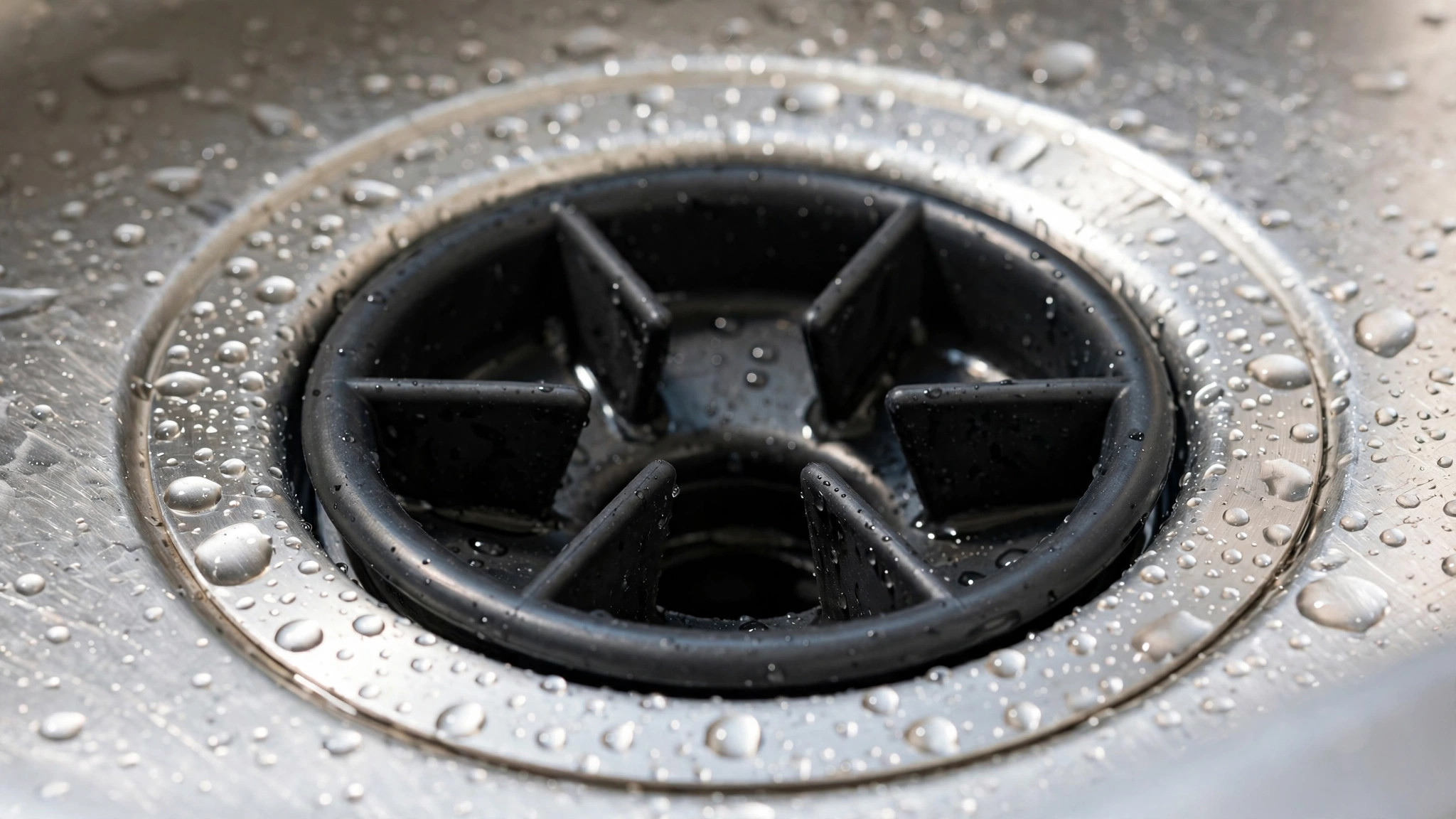
Odor comes from biofilm, a living layer of bacteria and decomposing food residue, and it colonizes three places. The worst offender is the underside of the splash guard, the rubber flaps at the drain opening. Food particles lodge under those flaps with every use, and the warm, dark, damp underside is a perfect incubator. Second is the grind chamber walls above the waterline, where splattered food dries and rots between uses. Third is the drain baffle and the first inches of discharge pipe, where slow-moving residue accumulates. Pouring cleaner down the drain barely touches the first two, which is why quick fixes disappoint. Understanding the geography matters because the real solution is mechanical cleaning of these surfaces, not stronger chemicals. Once you know where the smell lives, every method below makes sense. The splash guard deserves special attention because it never gets the full force of the water flow, so residue there builds up undisturbed between cleanings.

The Ice and Citrus Method

The classic home remedy works, within honest limits. Fill the disposal with a tray or two of ice cubes, add a cut-up lemon or a handful of citrus peels, run cold water, and flip the switch. The ice scours light buildup off the grind chamber walls as it gets chewed up, and the citrus oils leave everything smelling fresh. It takes two minutes and it genuinely helps with mild odor. What it does not do is deep-clean: it barely touches the underside of the splash guard, which is where most smell lives, and it cannot remove established biofilm from pitted, worn chamber surfaces. Think of it as freshening, not disinfecting. Use it weekly as maintenance between deeper cleanings, not as the cure for a disposal that has smelled for months. For that, keep reading, because the next two sections do the heavy lifting. For best results, use this method right after doing dishes, when the chamber is already warm and residue is softest.

Baking Soda and Vinegar: What It Does

The baking soda and vinegar volcano is satisfying to watch and moderately useful. Pour half a cup of baking soda into the disposal, follow with a cup of white vinegar, and let the fizzing work for ten to fifteen minutes before flushing with hot water. The fizzing action loosens light film in the upper chamber and the drain, and the baking soda neutralizes acidic odors temporarily. It is a decent monthly freshening routine, and it is safe for pipes and septic systems. But be honest about its limits: it is a surface treatment, not a scrub. It will not remove the packed residue under the splash guard flaps, and it will not fix odor coming from a worn-out unit with pitted chamber walls. Pair it with the mechanical cleaning below for real results. And skip the bleach: it does not clean biofilm well, it can damage rubber components, and it is rough on septic systems.

The Real Fix: Scrub the Splash Guard

Here is the step most guides bury and plumbers lead with: scrub the underside of the splash guard by hand. Cut the power at the switch, then lift each rubber flap and scrub underneath with an old toothbrush or a small brush and plenty of dish soap. You will be surprised, and slightly horrified, by what comes off; that brown-black slime is the primary source of the smell in most kitchens. Work all the way around, rinse with hot water, and repeat until the brush comes away clean. While you are at it, scrub the visible upper walls of the drain opening. This single task eliminates more odor than every chemical method combined, because it removes the biofilm mechanically instead of hoping chemicals reach it. Do it monthly and the ice-and-citrus routine handles the rest. If the smell returns within days of this deep clean, read the next section, because the unit may be telling you something.

Can Mold Grow in There? When Smell Means Replace

Yes, mold and mildew can absolutely grow inside a garbage disposal. The chamber is dark, damp, warm, and regularly fed, which is everything mold needs. Regular cleaning keeps it in check and it is not a health emergency, but it is another reason the scrub routine matters. The deeper question is when persistent smell stops being a cleaning problem and starts being a wear problem. On an older unit, years of use pit and roughen the chamber surfaces, giving biofilm far more texture to grip, and no cleaning reaches into those microscopic pits for long. The telltale sign: you do the full splash-guard scrub, the smell vanishes, and it is back within a few days, on a unit past ten years old. That pattern means the surfaces themselves are worn out. If the smell survives every cleaning, our garbage disposal repair service in Austin can deep-clean the unit or tell you honestly when replacement is the answer.
Common questions

Questions About This Topic

Why does my disposal smell like rotten eggs?
That sulfur smell comes from bacteria breaking down trapped food, especially proteins, in the biofilm coating the splash guard and chamber walls. It is the classic sign of buildup rather than a mechanical problem. A thorough scrub of the splash guard underside plus an ice and citrus flush usually clears it.
Can mold grow in a garbage disposal?
Yes. The inside of a disposal is dark, damp, warm, and regularly supplied with food, which is ideal for mold and mildew. Regular cleaning keeps it under control and it is not typically a health emergency. Monthly scrubbing of the splash guard and chamber is the practical prevention.
Do ice cubes sharpen garbage disposal blades?
No, and this is one of the most repeated myths. Disposals do not have sharp blades; they use blunt impellers that fling food against a grind ring. Ice cubes are still useful because they scour away light buildup as they get crushed, but they sharpen nothing. Think of ice as a scrub brush, not a whetstone.
How often should I clean my garbage disposal?
A quick ice and citrus flush weekly, and a real scrub of the splash guard underside monthly. That routine prevents nearly all odor problems. If you cook heavily or notice smells returning faster, shorten the interval. Consistent light cleaning beats occasional deep cleaning every time.

Need help in Austin? See our Garbage Disposal Repair page for flat-rate pricing, or pick your ZIP:

South Congress 78704Westlake 78746Arboretum 78759

Still stuck? We will sort it today.

Call now for same-day garbage disposal service anywhere in the Austin area.

Call (512) 555-0148
Free quote

Get Your Flat-Rate Quote in Minutes

Send the form or just call. Either way you get a real price before we roll a truck.

No spam, no robocalls. A real plumber calls you back.